



























































































































































































Dortmund 2-2 Bremen: Fullkrug’s late rescue
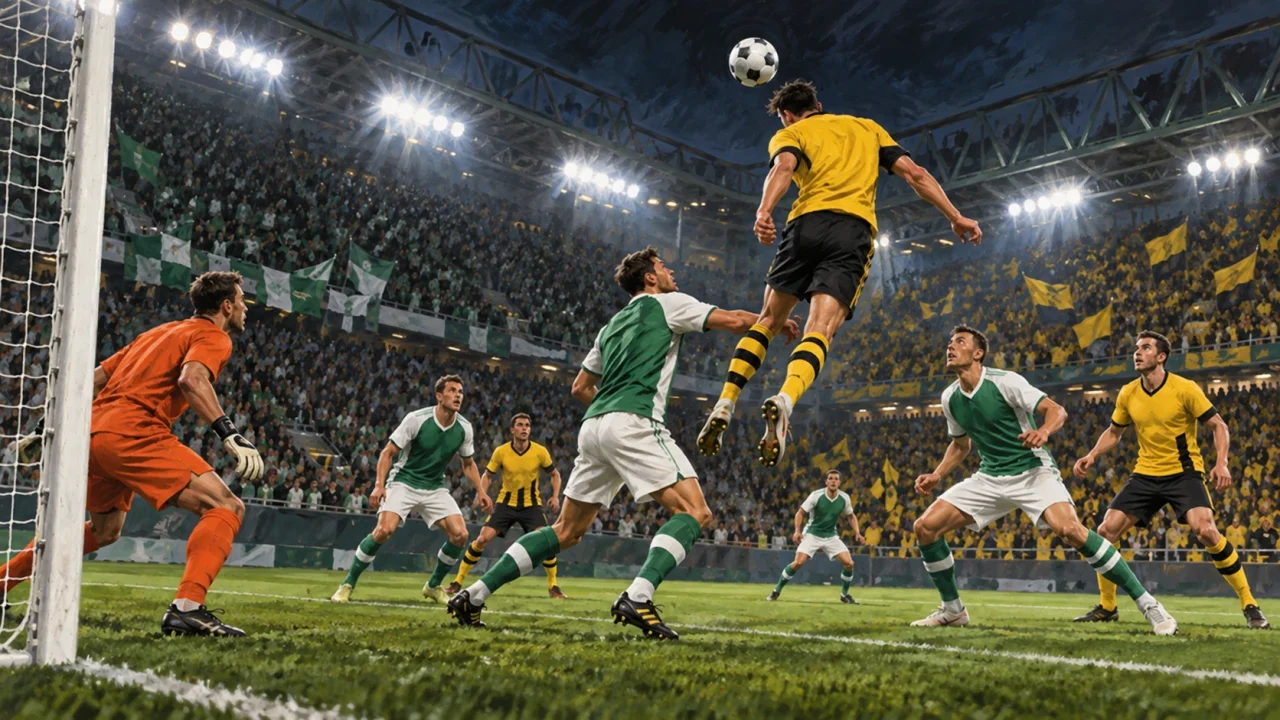
Borussia Dortmund drew 2-2 with Werder Bremen at Signal Iduna Park in the Bundesliga on Friday 9 October 2026 after surrendering a two-goal lead late in the game. Daniel Svensson and Nico Schlotterbeck appeared to have put the hosts on course for victory. Ludovit Reis replied before Niclas Füllkrug headed an equaliser in stoppage time against his former club.
Dortmund had more of the ball in the first half but could not establish a lead. Maximilian Beier was denied by goalkeeper Karl Hein, while Marcel Sabitzer sent a free-kick wide. Bremen were not limited to defending throughout that opening period; Olivier Deman and Reis also had opportunities. The score at the interval reflected a failure to convert rather than a complete absence of chances.
The second half continued to offer both sides routes towards a goal. Hein denied Ethan Nwaneri, and Gregor Kobel was required to stop Füllkrug at the other end. Those interventions kept the match level and made the eventual sequence more striking. The goalkeepers had helped preserve a goalless contest, yet the closing stages would produce four goals and two substantial changes in the likely outcome.
Four late goals transform the contest
Svensson broke the deadlock after Dortmund combined around the penalty area, with Fábio Silva providing the final pass. The finish gave the hosts the lead they had been pursuing and rewarded a move that involved several players working the ball into a useful position. Bremen now had much less time to recover than they would have had from a first-half concession.
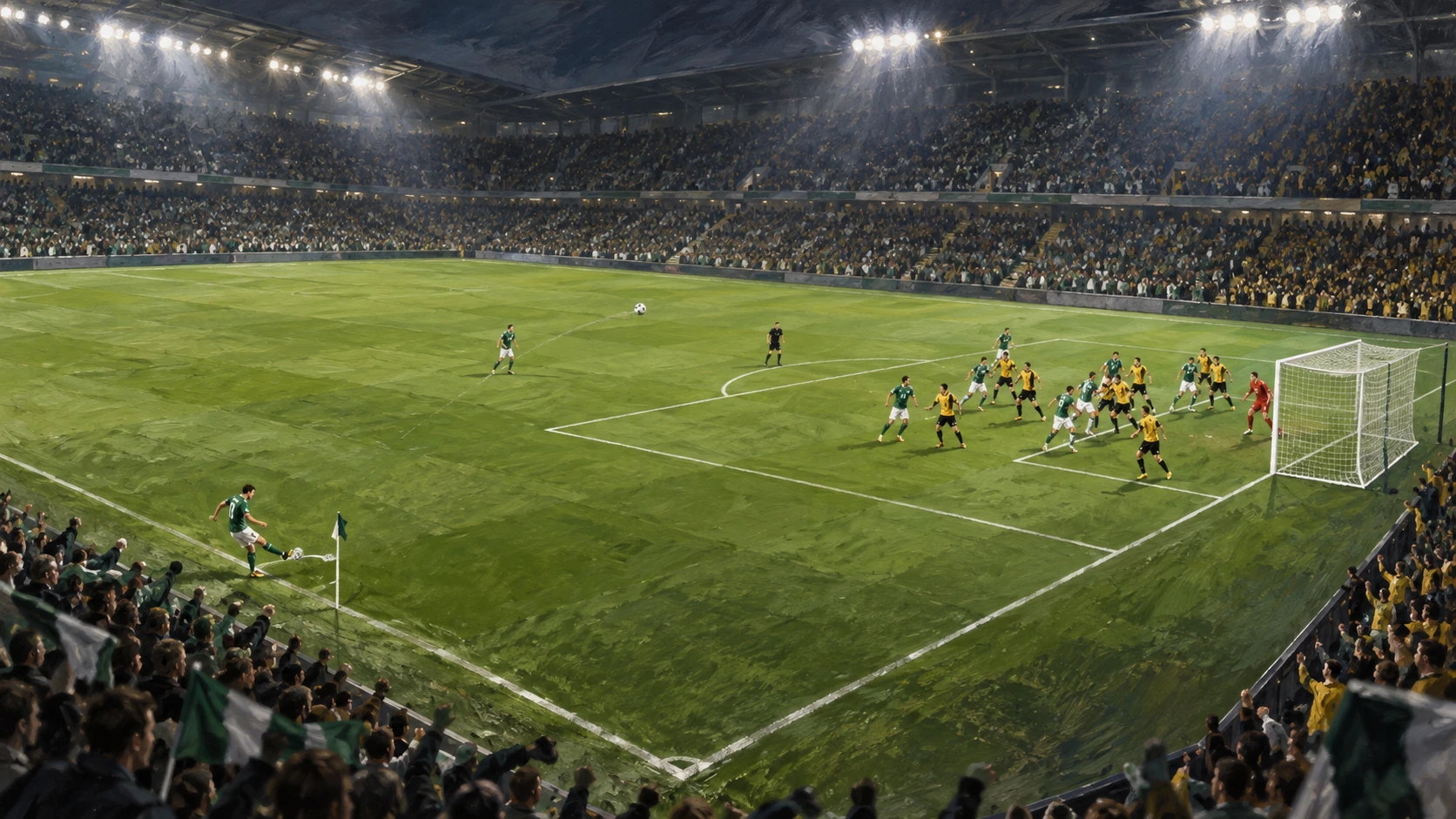
Schlotterbeck then headed in from Joey Veerman’s corner to double Dortmund’s advantage. The second goal arrived shortly after the first and seemed to strengthen the hosts’ position considerably. It also gave them a different route to a finish: after Svensson’s goal through a passing move, a central defender attacked a set-piece. Protecting that new margin was the remaining task as normal time ran down.
Reis quickly reopened the contest after Bremen won possession and worked the ball into shooting range. His effort from the edge of the area reduced the deficit and prevented Dortmund from treating the two-goal cushion as secure. The reply was decisive to the final sequence because it meant one more successful Bremen attack could rescue a point, rather than merely make the scoreline closer.
That attack came in stoppage time when Marco Grüll delivered a free-kick and Füllkrug headed home. The former Dortmund striker supplied the final touch that established the 2-2 score. Bremen had answered two late goals with two of their own, moving from a position that appeared close to defeat to a draw within the short closing spell available to them.

Bremen interrupt Dortmund’s winning start
For Daniel Thioune’s team, the comeback added a strong finish to an evening that had also depended on Hein’s saves. The goalkeeper was selected as the Bundesliga’s player of the match, reflecting the importance of the work that kept Bremen competitive before their late goals arrived. The point came from both parts of that performance: preventing an earlier deficit and using the opportunities that remained.
Dortmund’s frustration is clear because they had done the difficult attacking work required to break through and extend the lead. Niko Kovač’s side then conceded quickly enough for Bremen to regain belief and find a second chance to score. The sequence provides a concrete issue for review: how the team manages possession and defensive responsibilities immediately after gaining a late advantage.
The draw was Dortmund’s first league result of the campaign that did not bring three points. Four opening wins still provide a strong foundation, but the Bremen match shows why that record cannot substitute for controlling the final minutes of the next contest. The hosts created chances and found two scoring routes; the points were shared because they were unable to maintain the margin once Reis replied.
Comments